
Origins: From the Nile to the Great Lakes
The Nubi people trace their roots to diverse communities of the Nile Valley—primarily from present-day South Sudan and northern Uganda—who were conscripted as soldiers (Nubis, Sudanese troops) by British and Egyptian forces in the late 19th century. Many served under figures like Emin Pasha and later joined the Uganda Rifles—not as passive subjects, but as skilled fighters, interpreters, and intermediaries navigating a rapidly changing region.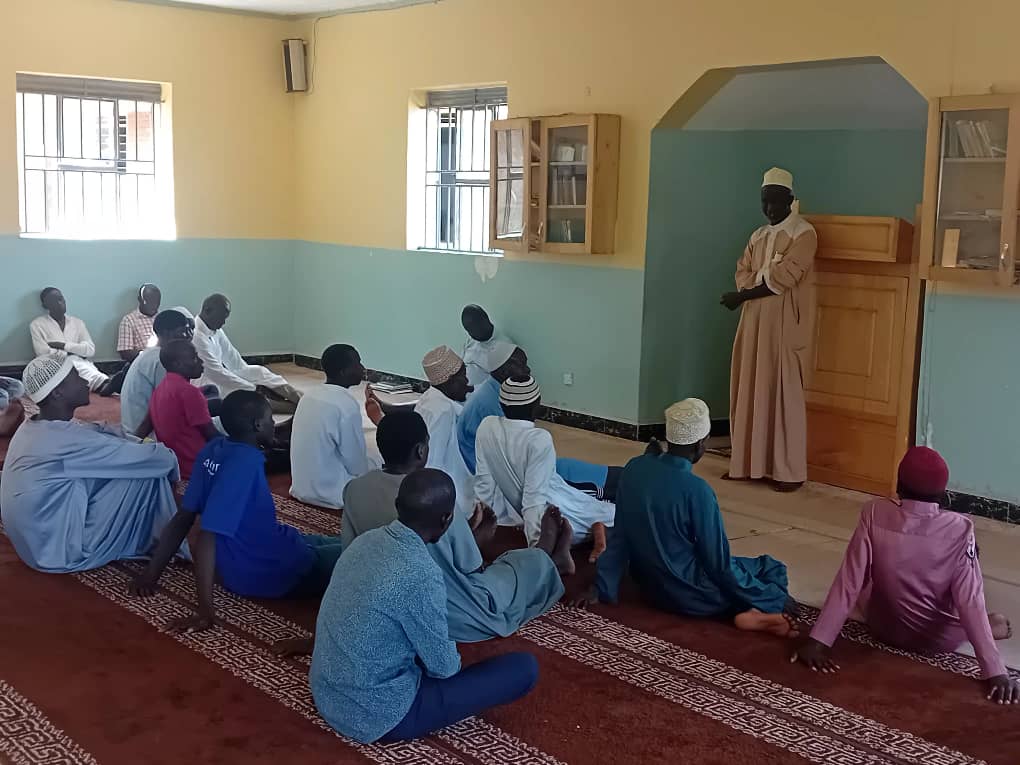
Settlement in Uganda: Building Home in Exile
Following the end of military service—especially after the 1890s—hundreds of Nubi veterans and their families chose to settle in Uganda, granted land by the colonial administration in recognition of their service. Key settlements emerged in Kampala (especially Old Kampala, Nakasero, and Makerere), Jinja, Masaka, and Fort Portal. With resilience and enterprise, they built mosques, schools, homes, and businesses—establishing tight-knit communities that preserved their distinct Arabic-influenced language (KiNubi), Islamic faith, and Sudanese-Nile cultural practices.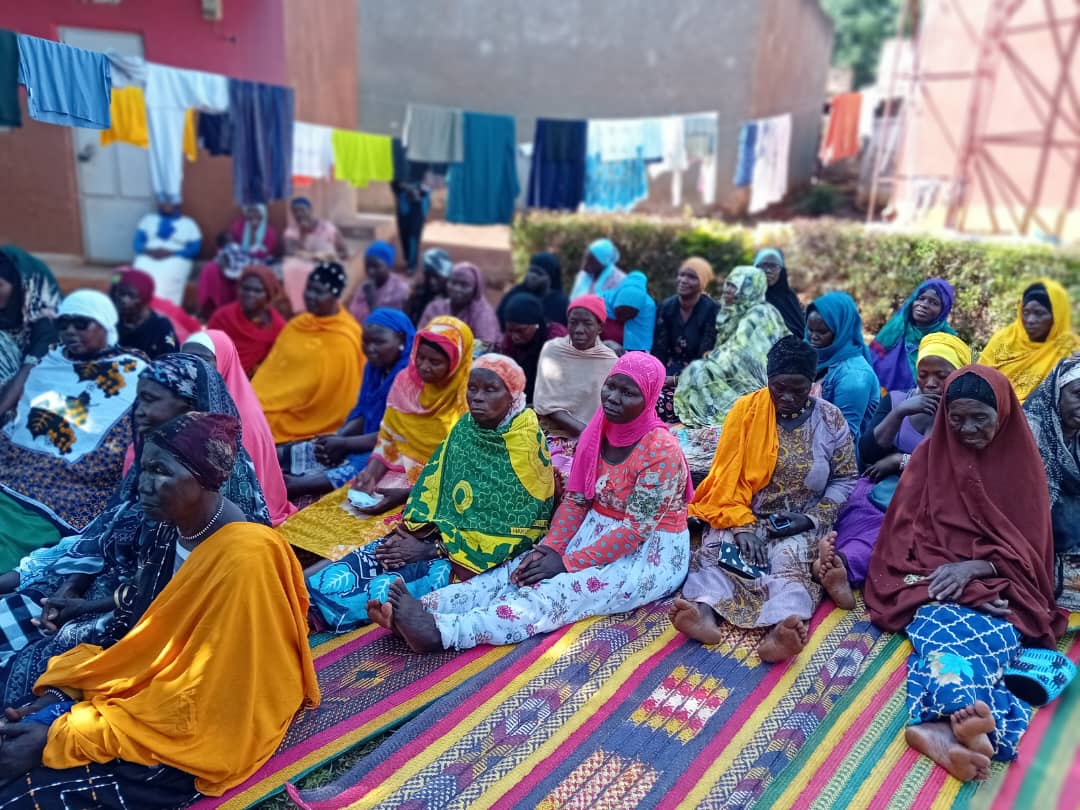
Integration and Identity: Neither Fully “Foreign” Nor Fully “Local”
Over generations, the Nubi integrated deeply into Ugandan society—contributing to national education, healthcare, trade, and public service—while consciously maintaining their unique identity. They intermarried, adopted local customs, and spoke Luganda or English fluently, yet kept KiNubi alive in homes, weddings, and storytelling. Their Arabic script-based literacy, Islamic scholarship, and emphasis on discipline and education earned respect—and sometimes suspicion—through shifting political eras.
Today: Reclaiming Narrative, Renewing Legacy
Now in the 21st century, a new generation—supported by elders through bodies like UNEC—is actively reclaiming the Nubi story:
- Reviving KiNubi through digital tools and community classes
- Documenting oral histories before they’re lost
- Engaging in national dialogues on citizenship, diversity, and heritage
- Celebrating Nubi contributions to Ugandan music, cuisine, architecture, and civic life